onymos-logo

Eliminate 5-10% of initial denials

Better lab RCM starts at intake

Onymos DocKnow automatically captures test order information, validates demographics, and runs eligibility checks at intake, catching errors before they cost you a claim.

Shield checkmark icon

HIPAA Compliant

Shield checkmark icon

SOC 2 Type II

Eliminate 5-10% of initial denials

Better lab RCM starts at intake.

Onymos DocKnow automatically captures test order information, validates demographics, and runs eligibility checks at intake, catching errors before they cost you a claim.

Shield checkmark icon

HIPAA Compliant

Shield checkmark icon

SOC 2 Type II

>30%

pathology & molecular denial rate

>16%

of denials connected to COB

>50%

of COB issues resolved with DocKnow

>30%

pathology & molecular denial rate

>16%

of denials connected to COB

>50%

of COB issues resolved with DocKnow

The Front-End of Lab RCM

Protect revenue
and accelerate reimbursement.

DocKnow is built to catch the errors behind the most common, preventable denials. That includes demographic mismatches (like a misspelled name or wrong date of birth), eligibility issues caught after the fact instead of at intake, and coordination of benefits (COB) problems where the wrong payer is billed.

The Front-End of Lab RCM

Protect revenue and accelerate reimbursement.

DocKnow is built to catch the errors behind the most common, preventable denials. That includes demographic mismatches (like a misspelled name or wrong date of birth), eligibility issues caught after the fact instead of at intake, and coordination of benefits (COB) problems where the wrong payer is billed.

The front end of lab RCM
decides everything that happens after.

The front end of lab RCM decides everything that happens after.

Ingest complex documents from any source.

Directly upload TRFs, medical records, and other documents, or integrate with your entire ecosystem to power a custom data capture pipeline.

And because DocKnow is deployed inside your infrastructure, you’re always in control.
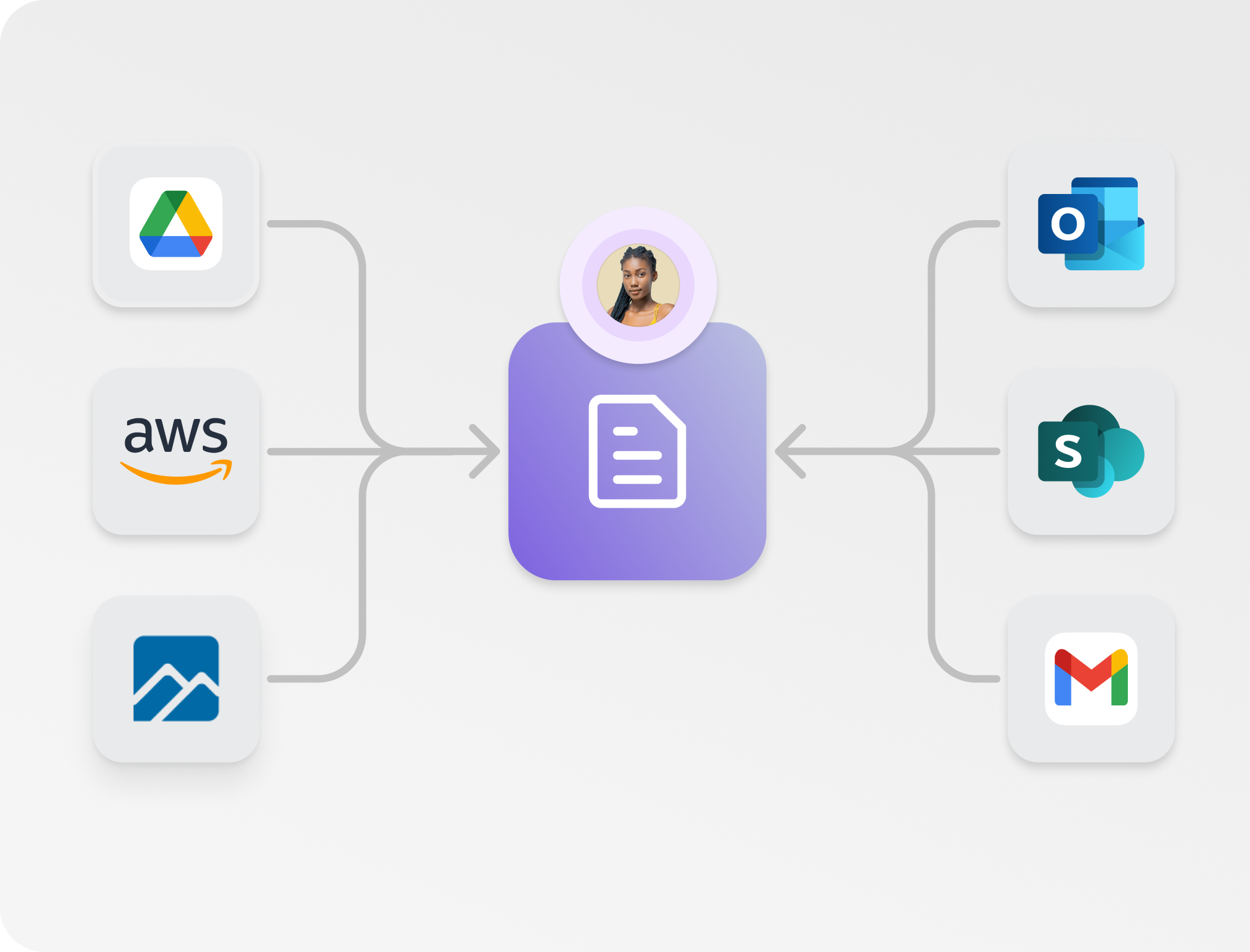
Integrations with DocKnow.

Ingest complex documents from any source.

Directly upload TRFs, medical records, and other documents, or integrate with your entire ecosystem to power a custom data capture pipeline.

And because DocKnow is deployed inside your infrastructure, you’re always in control.
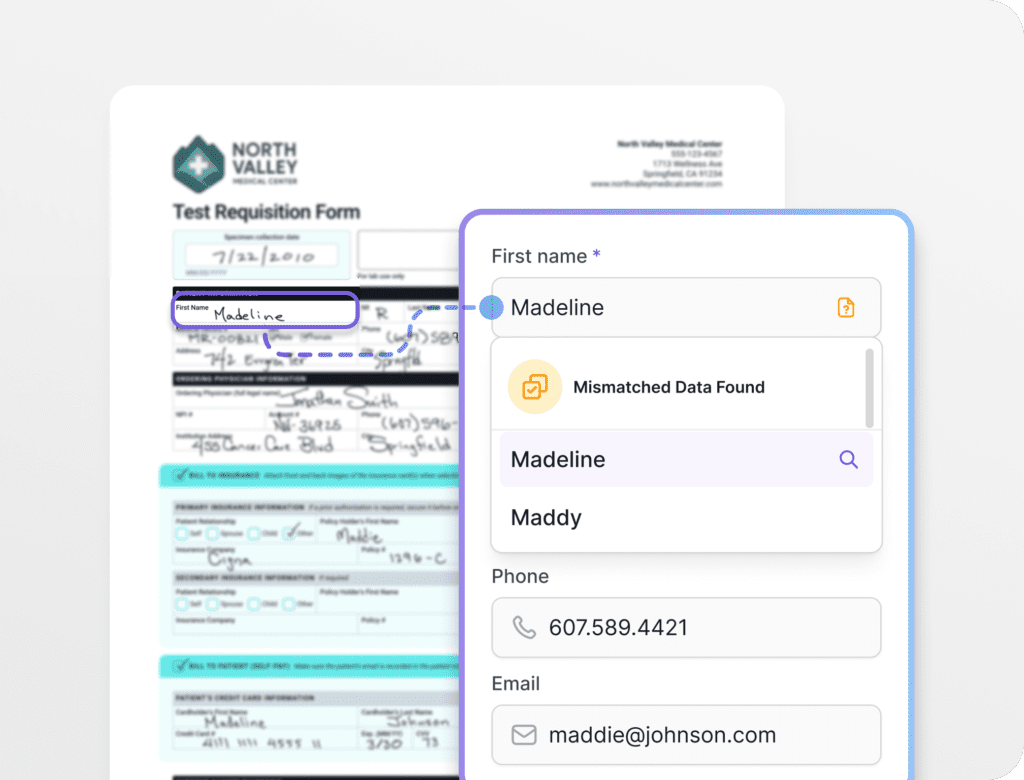
Extract structured and unstructured data

Accelerate throughput and turnaround time (TAT) by going beyond simple OCR.

DocKnow understands context, relationships, and terminology specific to precision medicine. It can identify and flag conflicting information automatically and perform eligibility checks to confirm test coverage instantly.
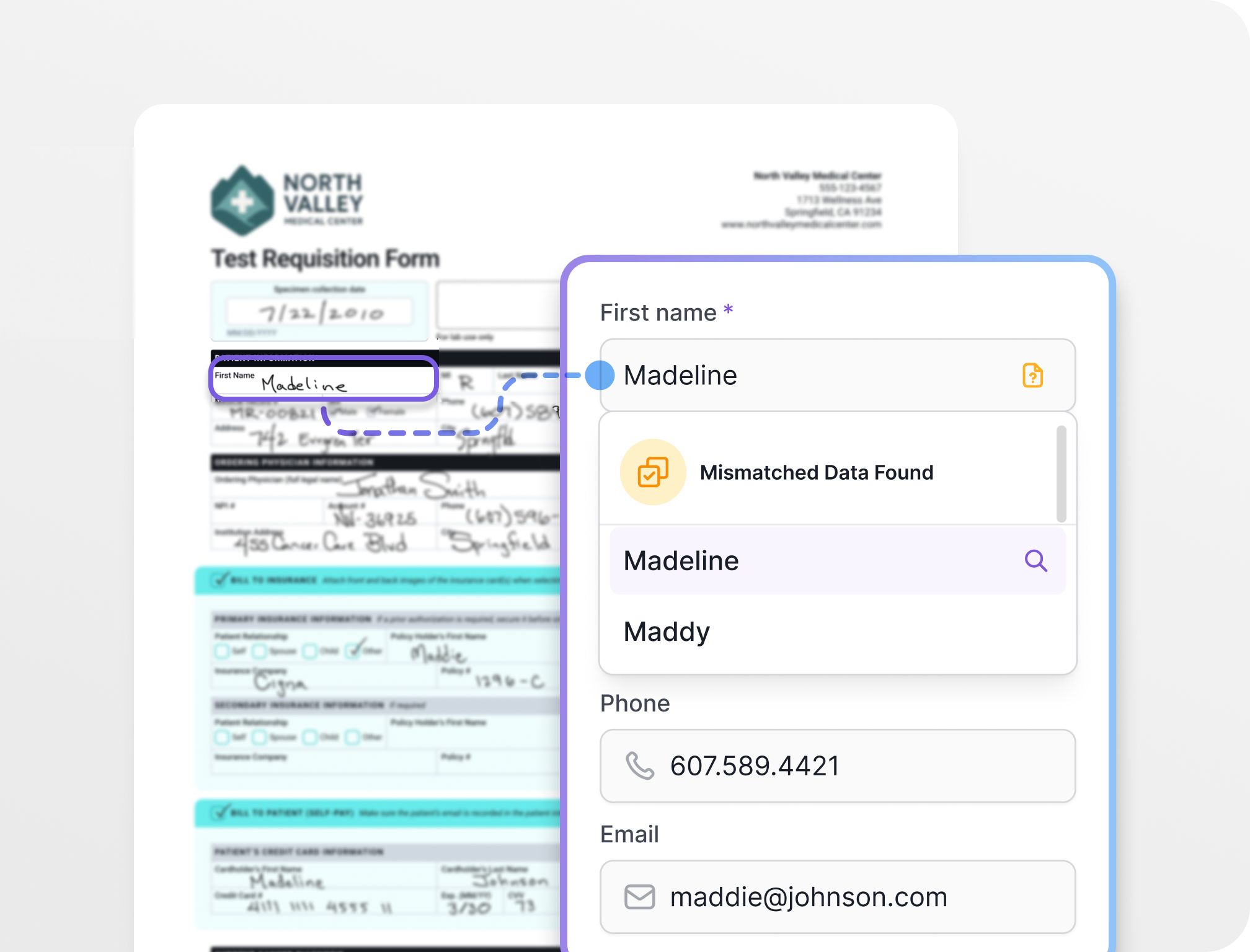
DocKnow finding mismatched data.

Extract structured and unstructured data

Go beyond simple OCR.

DocKnow understands context, relationships, and the specialized terminology your team uses. It can identify and flag conflicting information automatically and draws on connected systems or supporting documents to fill in gaps.

Govern and track every action, end-to-end.

Configure custom business rules to control how data is formatted, validated, and accessed.

Then generate granular summaries and immutable changelogs to stay audit ready and in compliance.
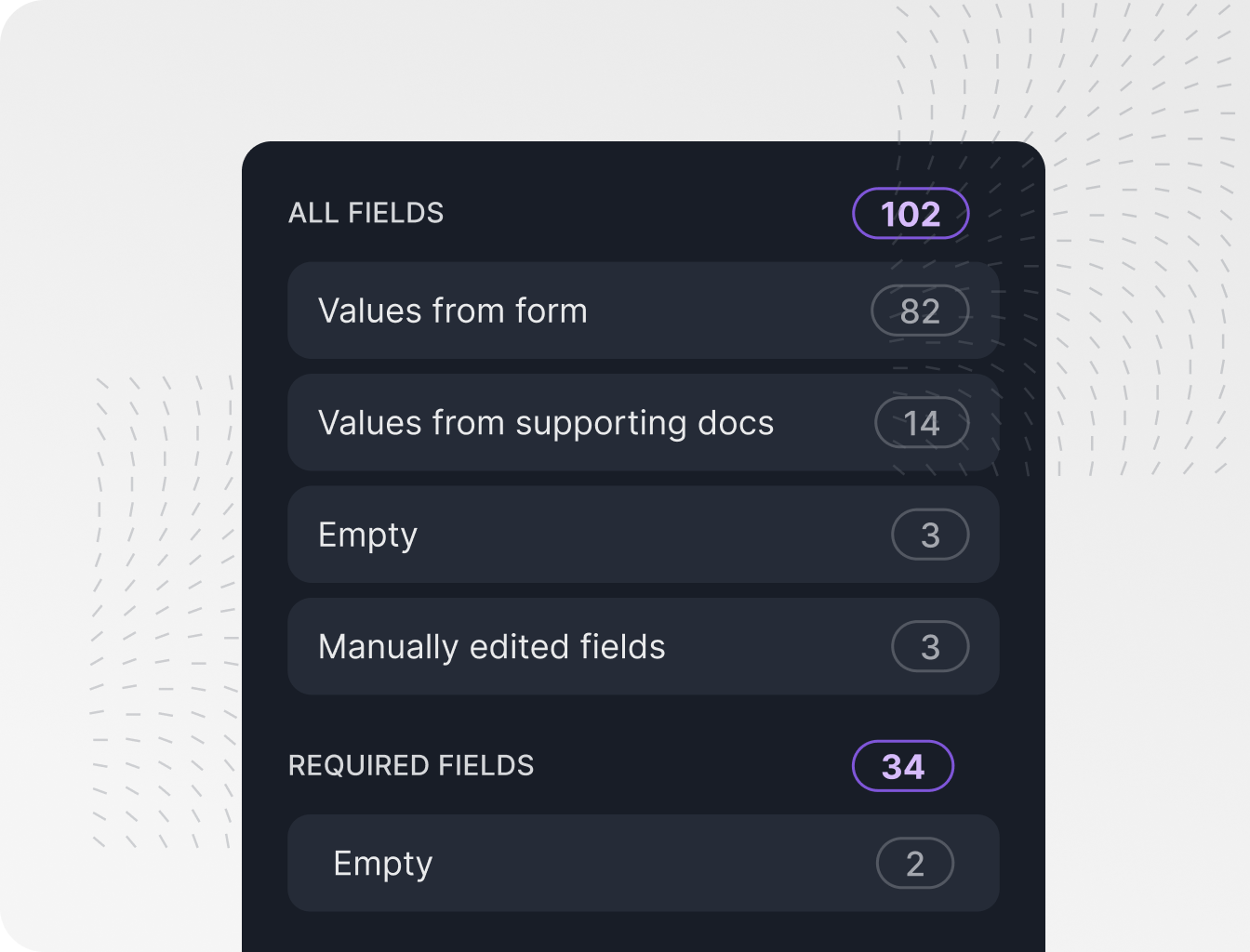
DocKnow audit trail.

Govern and track every action, end-to-end.

Configure custom business rules to control how data is formatted, validated, and accessed.

Then generate granular summaries and immutable changelogs to stay audit ready and in compliance.
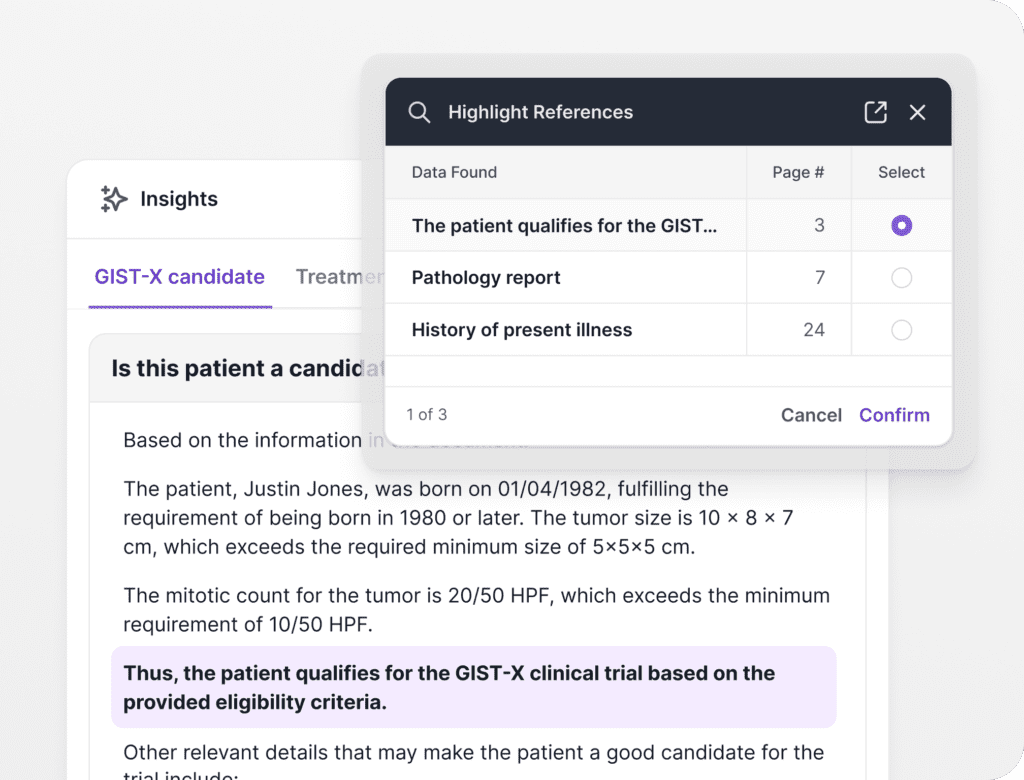
Drive better, smarter decision-making.

Use DocKnow’s AI, Nucleus, to go even deeper into your data.

Surface clinical insights, create complex reports, or turn your lab’s SOPs into real-time, source-linked guidance for your ops teams.
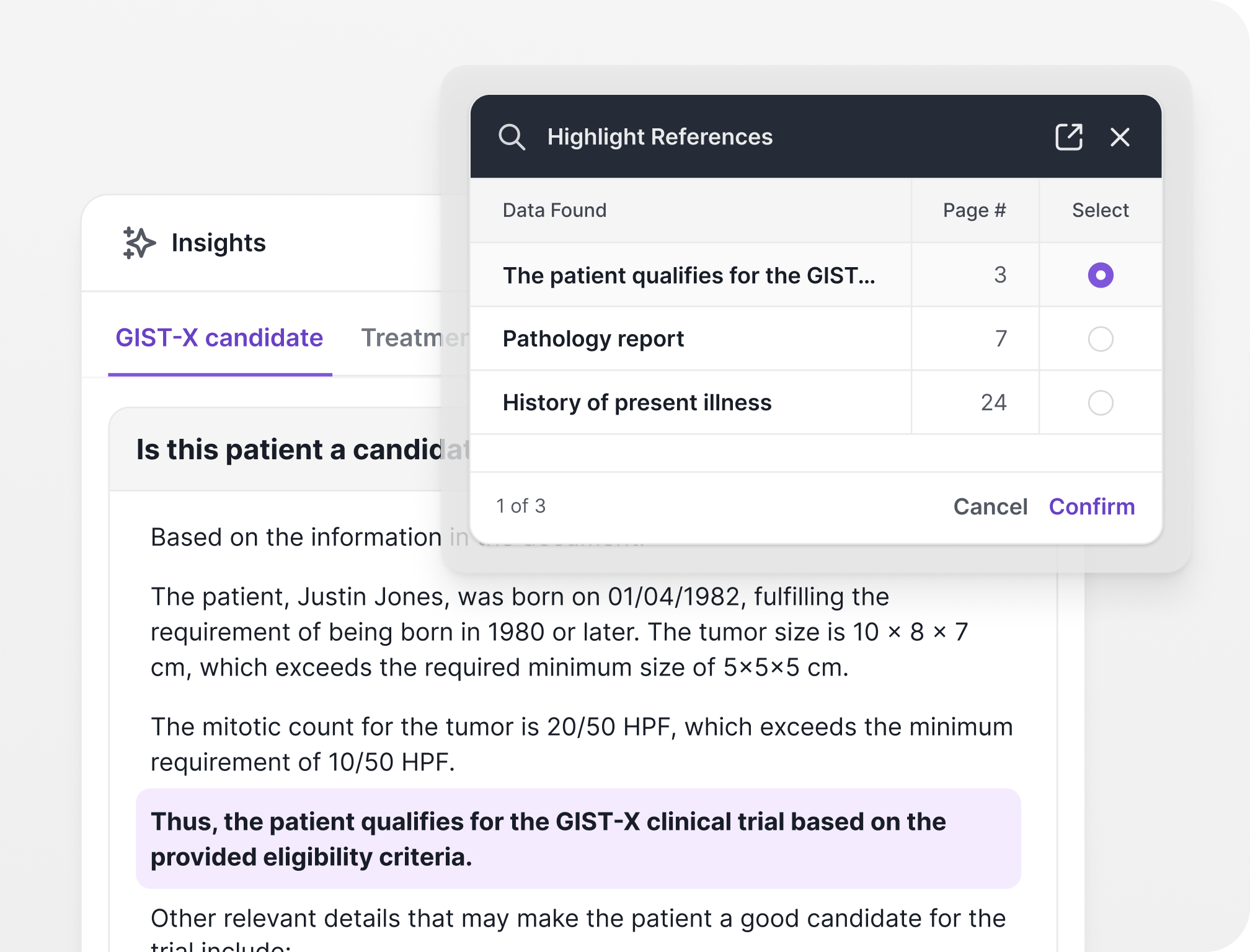
DocKnow AI analysis.

Drive better, smarter decision-making.

Use DocKnow’s AI, Nucleus, to go even deeper into your data.

Surface clinical insights, create complex reports, or turn your lab’s SOPs into real-time, source-linked guidance for your ops teams.

Guardant logo

Customer Story:

Hyperscaling laboratory intake

Guardant Health is in growth mode. As more oncologists and health systems adopt its next-gen blood tests, the volume of incoming documentation has skyrocketed. Manual processes couldn’t keep up.

That’s why Guardant partnered with Onymos to transform intake with DocKnow. Today, incoming documentation is automatically captured, verified, and routed downstream. The result is more accurate data and an intake process that can keep pace with Guardant’s growth.

Get answers to some of the revenue cycle management questions we’re asked the most.

Many denials trace back to preventable errors that happen before billing and revenue teams can even begin to generate a claim (e.g., incomplete demographics, missed eligibility checks, or claims that don’t reflect current payer policies).

Catching these issues at intake, in real time, is the most effective way to reduce those denials and keep your overall denial management workload manageable.

Yes. Onymos DocKnow is designed to plug into your current billing process and fee schedule setup, not replace them. The goal is cleaner data going in, so your existing systems can do their job without fighting bad information downstream.

DocKnow can validate ICD-10 codes and evaluate them alongside CPT codes to identify mismatches between a patient’s diagnosis and the test being ordered.

It can also identify gaps in upstream documentation that could affect medical necessity or billing, helping labs address potential issues before they result in denials.

DocKnow can validate fields against custom rulesets built around your laboratory’s specific payer landscape.

So, for example, you could configure logic along the lines of:

Payer A + Test X → requires these diagnosis/documentation conditions
Payer B + Test X → requires different information
Payer C + Test X → prior authorization required

It depends on scale, complexity, and internal resources.

In-house RCM gives labs more direct control over the billing process, fee schedule negotiations, and payer relationships, but it also requires ongoing investment in staff, training, and systems that keep pace with payer-specific rules.

Laboratory billing services can offer that specialization out of the box, which can be more cost-effective for labs that don’t want to (or can’t) build that capability internally.

Whichever model a lab chooses, the outcome still depends on how accurate the data is when it reaches billing. Automating intake validation and eligibility checks upfront means more clean claims and steadier cash flow, whether that data flows to an in-house team or an outsourced laboratory billing service.

Onymos software is built using our award-winning No-Data Architecture. We don’t access, capture, or store customer data. Instead, all data remains securely within the customer’s own environment, whether that’s on-prem or the cloud.

Additionally, Onymos is certified SOC 2 and HIPAA compliant.

Most platforms and services capture and store their customers’ data. It’s lucrative (for the vendors). But it’s risky (for the customers). In healthcare, over 55% of data breaches happen through third-party vendors.

That’s why we do things differently. Using No-Data Architecture means fewer points of failure, less data exposure overall, and simpler compliance for you. And in a post-AI world, where data is more valuable than ever, this isn’t just a technical choice.

It’s a strategic one.

By default, DocKnow’s UI is completely customizable. Your team deploys the UI where you want it and has direct access to the actual CSS and HTML. Additionally, customers can license DocKnow’s functional source code.

DocKnow is typically priced based on usage (e.g., the number of API calls or number of forms processed) and the features you want to include.

You don’t.

DocKnow is the most modular, adaptable intelligent document processing platform available. Choose and purchase only the features your organization needs.

Get answers to some of the revenue cycle management questions we’re asked the most.

Many denials trace back to preventable errors that happen before billing and revenue teams can even begin to generate a claim (e.g., incomplete demographics, missed eligibility checks, or claims that don’t reflect current payer policies).

Catching these issues at intake, in real time, is the most effective way to reduce those denials and keep your overall denial management workload manageable.

Yes. Onymos DocKnow is designed to plug into your current billing process and fee schedule setup, not replace them. The goal is cleaner data going in, so your existing systems can do their job without fighting bad information downstream.

DocKnow can validate ICD-10 codes and evaluate them alongside CPT codes to identify mismatches between a patient’s diagnosis and the test being ordered.

It can also identify gaps in upstream documentation that could affect medical necessity or billing, helping labs address potential issues before they result in denials.

DocKnow can validate fields against custom rulesets built around your laboratory’s specific payer landscape.

So, for example, you could configure logic along the lines of:

Payer A + Test X → requires these diagnosis/documentation conditions
Payer B + Test X → requires different information
Payer C + Test X → prior authorization required

It depends on scale, complexity, and internal resources.

In-house RCM gives labs more direct control over the billing process, fee schedule negotiations, and payer relationships, but it also requires ongoing investment in staff, training, and systems that keep pace with payer-specific rules.

Laboratory billing services can offer that specialization out of the box, which can be more cost-effective for labs that don’t want to (or can’t) build that capability internally.

Whichever model a lab chooses, the outcome still depends on how accurate the data is when it reaches billing. Automating intake validation and eligibility checks upfront means more clean claims and steadier cash flow, whether that data flows to an in-house team or an outsourced laboratory billing service.

Onymos software is built using our award-winning No-Data Architecture. We don’t access, capture, or store customer data. Instead, all data remains securely within the customer’s own environment, whether that’s on-prem or the cloud.

Additionally, Onymos is certified SOC 2 and HIPAA compliant.

Most platforms and services capture and store their customers’ data. It’s lucrative (for the vendors). But it’s risky (for the customers). In healthcare, over 55% of data breaches happen through third-party vendors.

That’s why we do things differently. Using No-Data Architecture means fewer points of failure, less data exposure overall, and simpler compliance for you. And in a post-AI world, where data is more valuable than ever, this isn’t just a technical choice.

It’s a strategic one.

By default, DocKnow’s UI is completely customizable. Your team deploys the UI where you want it and has direct access to the actual CSS and HTML. Additionally, customers can license DocKnow’s functional source code.

DocKnow is typically priced based on usage (e.g., the number of API calls or number of forms processed) and the features you want to include.

You don’t.

DocKnow is the most modular, adaptable intelligent document processing platform available. Choose and purchase only the features your organization needs.

Certified SOC 2 and HIPAA compliant.

Guardant Health, Personalis, Vanta Diagnostics and more all trust Onymos to help them automate their high-volume, high-complexity document workflows.

“From a security perspective, there was really no concern because there is no data leaving the customer’s boundary,” says Prabhakar Ramakrishnan, CloudWave President, whose company leverages Onymos DocKnow in their document digitization application for the federal government.
SOC 2 badge
HIPAA

Certified SOC 2 and HIPAA compliant.

Guardant Health, Personalis, Vanta Diagnostics and more all trust Onymos to help them automate their high-volume, high-complexity document workflows.

“From a security perspective, there was really no concern because there is no data leaving the customer’s boundary,” says Prabhakar Ramakrishnan, CloudWave President, whose company leverages Onymos DocKnow in their document digitization application for the federal government.
SOC 2 badge
HIPAA
KM logo

100 Companies That Matter in Knowledge Management 2026

“Companies on this list are wonderful examples of how their products expand the power of KM in changing knowledge environments. They stand out in the KM field, and we applaud their accomplishments.”

RCM starts long before a claim is submitted. DocKnow gets the data, documentation, and payer requirements right at the first touch.

Schedule your demo.

RCM starts long before a claim is submitted. DocKnow gets the data, documentation, and payer requirements right at the first touch.

Schedule your demo.

Overlay